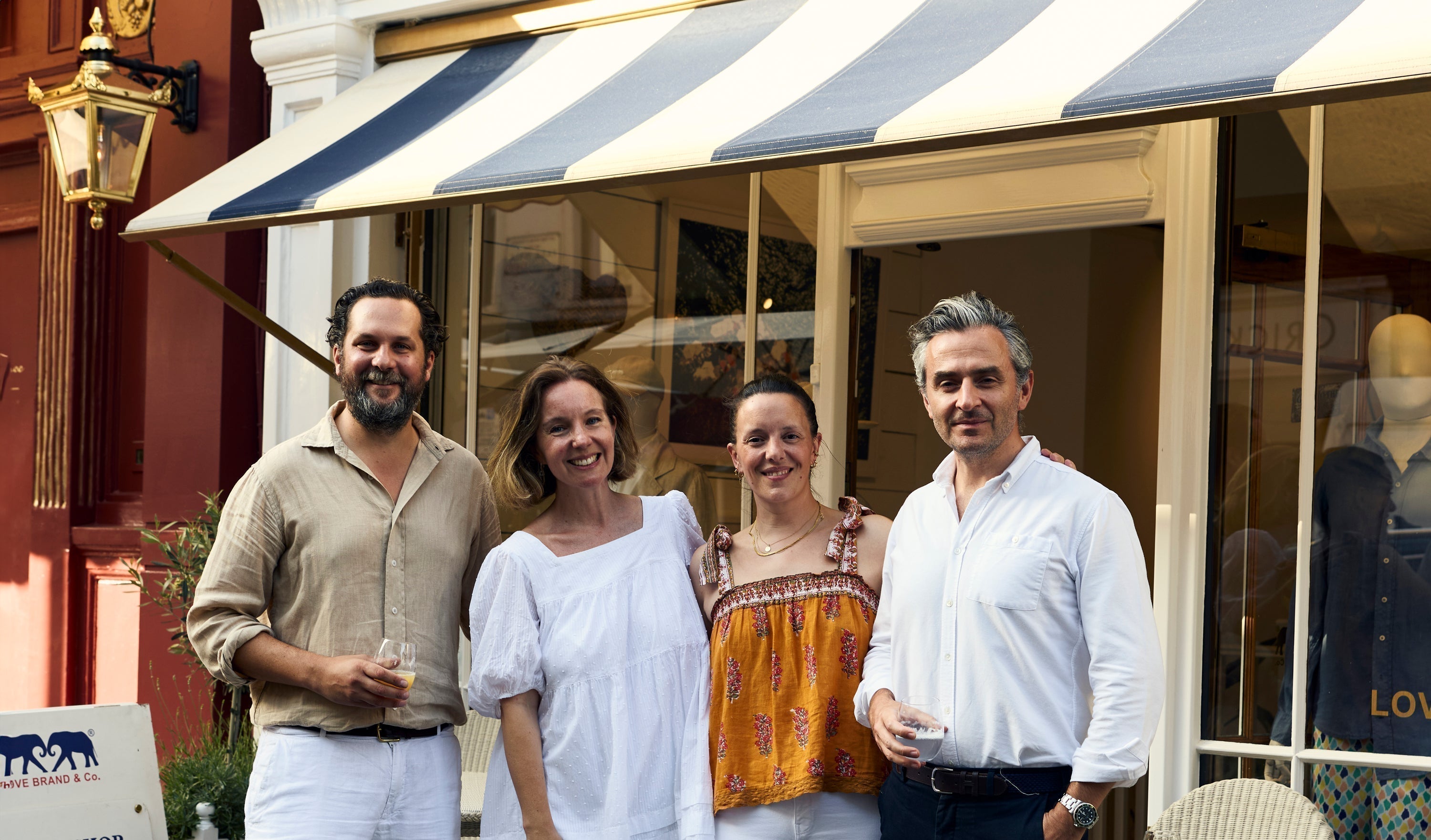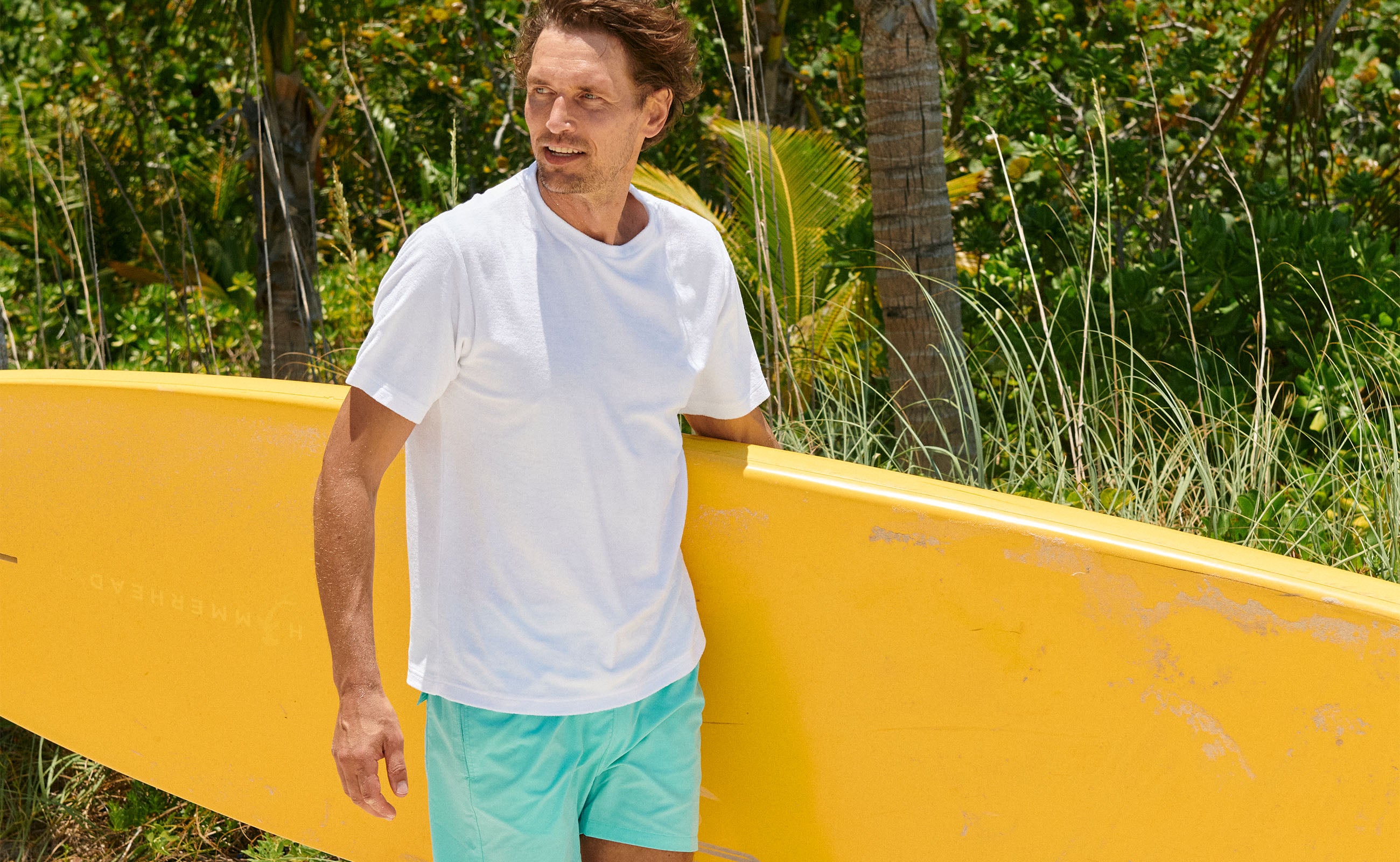
2026 is Love Brand’s ‘Year of the Turtle’, and we’re delighted to partner with Antigua & Barbuda Environment Foundation (ABEF), part of the Conservation Collective, to support their Assisted Relocation Project. The project aims to ensure the long-term survival of the critically endangered Hawksbill Sea Turtle through assisted colonisation via nest relocation and mitigating the impact of high beach temperatures.
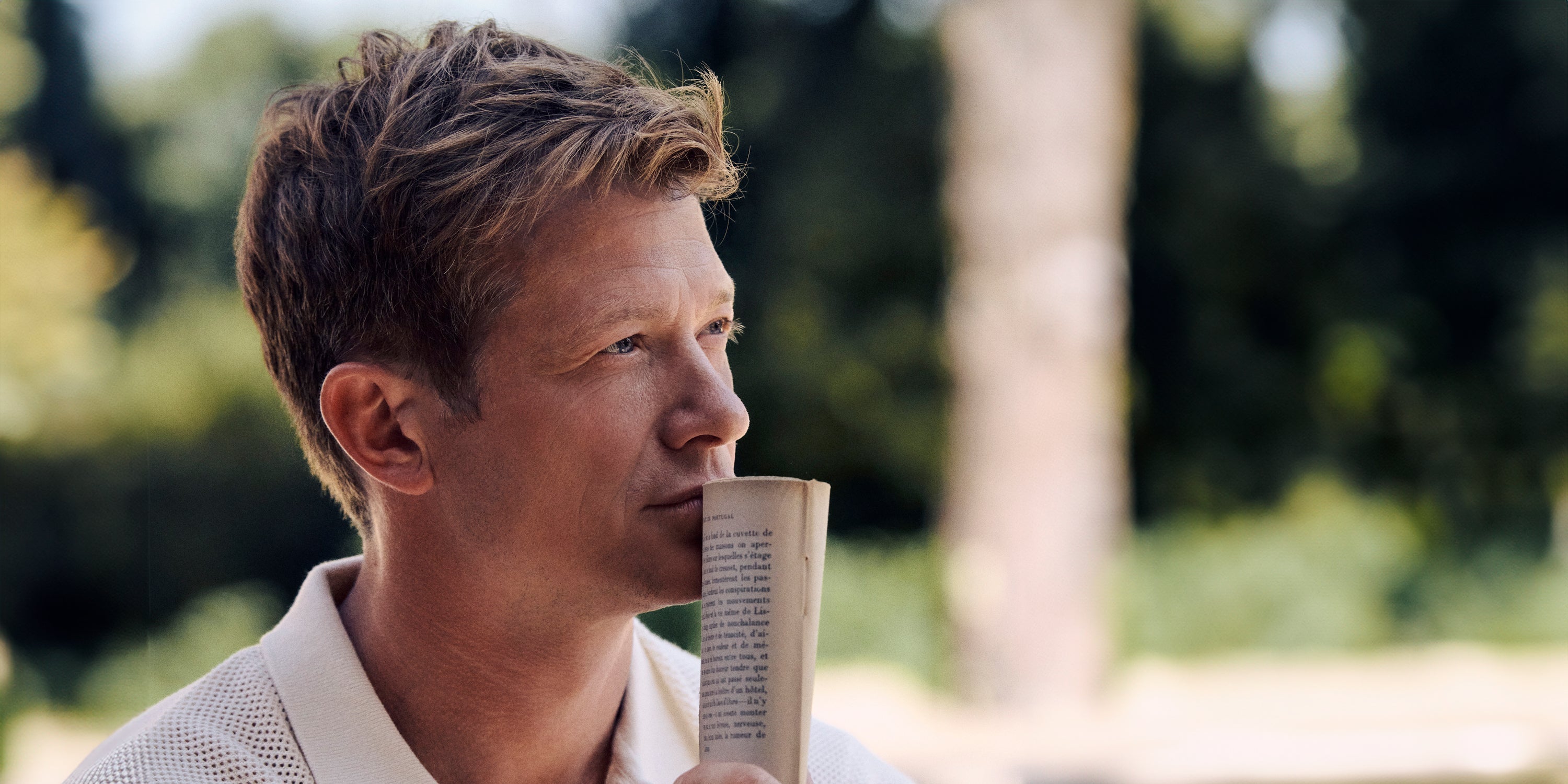
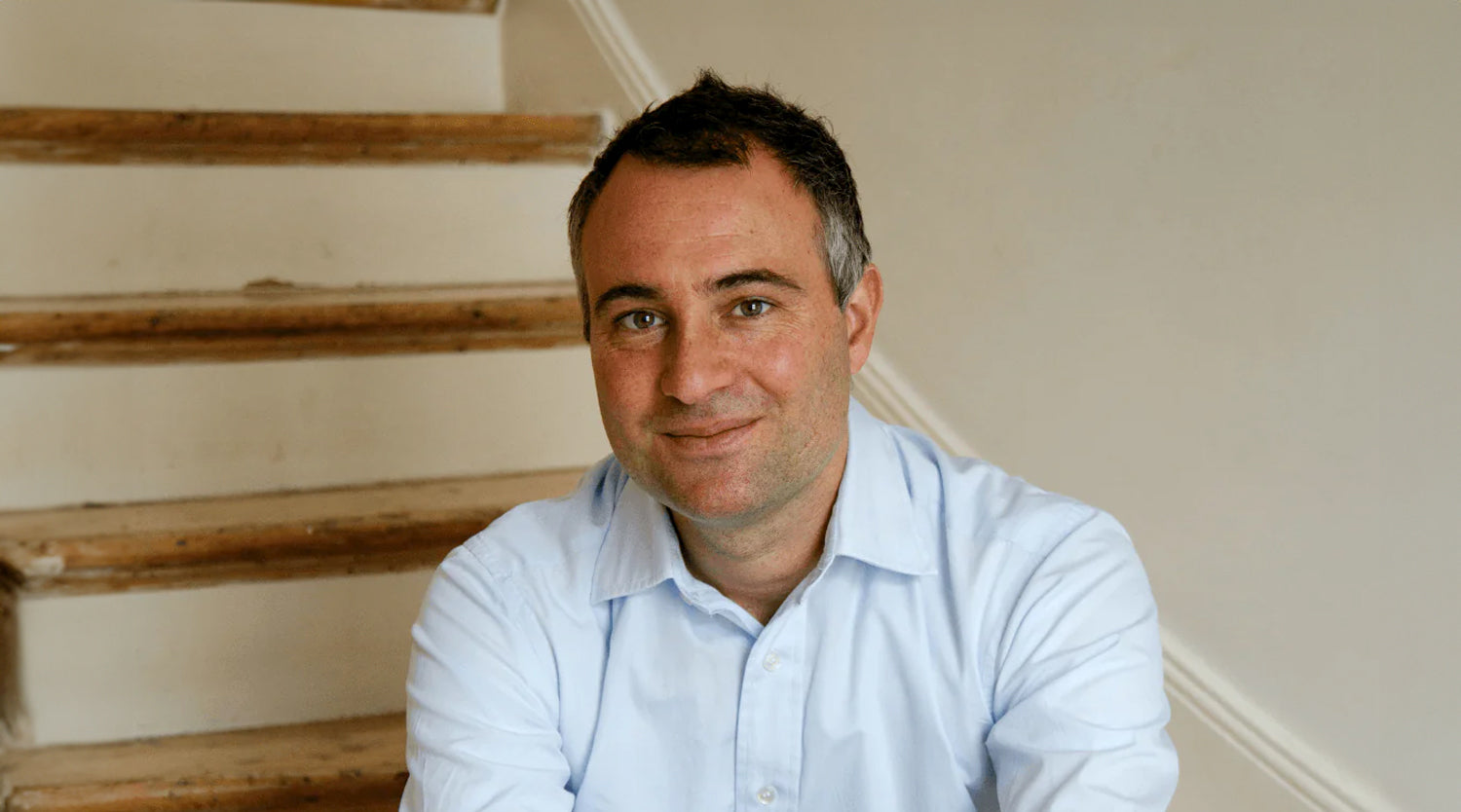
We’re celebrating with both a series of new, turtle-inspired Love Brand prints and exclusive funding of the project. With this in mind, we sat down with Ben Goldsmith, Founder of our long-time partner, Conservation Collective, to spotlight the charity, their work and all things turtles!
“The Conservation Collective was set up a few years ago with the intention of making it easier for people to support nature restoration initiatives in the places that they love,” Ben explained. “The overwhelming majority of money that gets given away charitably in the UK and Europe doesn't go to environmental work; it's a few single-digit percentage points, which seems crazy given that a healthy environment is central to every other priority that we have.”

Ben was fascinated by nature and wildlife from a young age. “If you’d come to my house when I was seven or eight, you’d have found me trying to dig out ponds and putting up bird boxes”, he laughed.
“I was very much an outdoorsy kind of child. I think for many people, that overt love of nature falls a little bit dormant as they grow older. Across our society, we've become dangerously disconnected from nature, and we desperately need to rekindle that connection for a whole host of reasons.” That love never left him; it simply evolved into Conservation Collective, a force reconnecting people and the wild places they care about.
Ben explained that people are more likely to participate in projects in a place they have a personal connection to. So far, Conservation Collective has established a fantastic 23 locally focused environmental foundations across the globe, from Devon and the highlands of Scotland to Kenya and Tuscany.
“We've raised almost 20 million euros this way since 2020, distributing those funds to the most effective local nature restoration initiatives,” Ben explained. “We find brilliant local initiatives that are typically operating on fumes. If you can give people who are doing this work a few thousand euros each year, they can just work wonders. All the people around it witness the work happening, so you create a bit of a culture shift by turbocharging these local groups and helping them achieve their goals.”

Of course, there are different priorities depending on the region. “Some places are more about cleaning up agriculture and trying to phase out plastics and industrial chemicals. Other places are about restoring key species like monk seals in Cyprus or sea turtles in St. Vincent,” Ben said.
With the mention of turtles, we had to dive into Conservation Collectives' numerous projects. “There are turtles nesting for the first time in many decades in Tuscany. There's some turtle work happening in Sicily, Malta, St. Vincent, the Grenadines, Barbados, and Sri Lanka.” Ben told us.
“Sea turtles are pretty iconic, really, and they're desperately under threat from industrial fishing. They get tangled up in trawler nets and have their eggs poached when they come to nest on the beaches.”
So how does Conservation Collective combat this? Ben explained that “if you can increase the survival rate of the eggs by protecting those nests from poachers through patrols and so on, or in some cases even actually digging them up and moving them to a secure location where they hatch in peace, you can massively counter the threats that they're facing. Plus, we also work with fishing communities to try to embed turtle-friendly fishing practices and to eliminate the poaching of adult turtles.”

There’s lots we can do from home too to help preserve our world and live more sustainably. Ben mentioned 4 key points, which began with appreciating local patches of nature, as well as being mindful of how we spend our money. “Don't be puritanical, but just be aware of what you're buying and what impact on the natural world it might have had”, Ben said. At Love Brand, at least 1% of every sale goes directly to helping global conservation efforts, and we pride ourselves on using the most sustainable materials. Our swim shorts, for example, are crafted from 100% recycled materials, with each pair saving around 15 plastic bottles from landfill.
Ben went on to say, “Be mindful of how you vote and aim to put pressure on candidates in any election where you are a voter to have policies for protecting and expanding wild nature.”. His final tip? “If you can afford it, set up a standing order to an environmental group because they're stretched for resources, and they work miracles with what we do give them.”
Thank you to Ben for sitting down with us to tell us more about the brilliant Conservation Collective. We’re proud to champion such fantastic organisations that prove that local action can create global impact. Every protected nest, every clean stretch of coastline, and every community empowered to defend the wild helps keep our planet thriving for generations to come.
To learn more about the work of Conservation Collective, visit conservation-collective.org.